How to Cut Your Grocery Bill With a Family Meal Plan That Bends
By Grant H. Caldwell, author of Frugal Hacks for Busy Families
The direct answer: plan five to seven flexible meals from food you already have, set a grocery cap before you leave the house, and give leftovers a second life instead of a repeat performance. The savings come from fewer unplanned trips and less waste — not from cooking every meal from scratch.
The tips below come from Frugal Hacks for Busy Families, which collects 101 practical tips to cut your grocery bill, stop the everyday leaks, and keep more of what you earn.
1. Create an "eat soon" spot in the fridge
Some foods get forgotten simply because they are tucked behind newer groceries. Choose one fridge shelf or a clear, easy-to-wash bin as your household's "eat soon" spot, preferably around eye level, and put leftovers, opened packages, and ingredients that need using there. The goal is to make food that might otherwise be overlooked the first thing someone sees when opening the fridge. After dinner or while putting groceries away, take a quick look at the spot and decide what could be used in the next day or two: half a bell pepper might go into eggs, while cooked rice could become a quick fried-rice meal. Let family members know what the spot is for, so they can check it too.
2. Plan five to seven flexible meals, not a strict menu
A short list of dinner ideas gives the week direction without requiring a strict menu. Start by listing five to seven dinners your family already likes, rather than searching for a week of brand-new recipes. Check the family calendar first: a late workday, practice, or appointment may call for a quick meal, while a calmer evening can handle more cooking. Then look at what is already in the fridge, freezer, and pantry, and consider useful sale items when choosing your options. A short list might include pasta, tacos, soup, a sheet-pan meal, and breakfast for dinner. Leave the meals in a simple list, or add them to days if that makes planning easier — either way, keep room to swap as plans change.
3. Set a grocery cap before you go
A spending cap gives your shopping trip a clear boundary before tempting displays and last-minute additions get a chance to shape it. Before you decide what you can spend, check the grocery money available until your next shopping trip: look at the amount set aside in your household budget, then consider how many days and meals it needs to cover. A weekly shopper might divide the monthly grocery amount into four weekly targets, while keeping a little flexibility for a larger restock trip or a month with five shopping weeks. Make sure the limit reflects what your family actually needs, including staples that are running low — a cap that is too small can make a normal shop frustrating and may lead to extra trips later. Take a quick look through the fridge, freezer, and pantry so you do not buy what you already own.
4. Give leftovers a fresh shape
Leftovers are easier to use when they become part of a new meal rather than a repeat of last night's dinner. After a meal, set aside what you can reuse and decide on one simple next step, so the food does not get forgotten at the back of the fridge. When you roast vegetables for dinner, make a little extra and set it aside before serving. For wraps, pair them with beans, hummus, cheese, or leftover chicken, then add a handful of fresh greens if you have them. To make a bowl, spoon the vegetables over rice and add a simple sauce, such as salsa, yogurt dressing, or a little soy sauce. Keep crunchy ingredients, including lettuce and seeds, separate until serving so they stay crisp.
5. Portion, label, and actually find food again
Food in the freezer is useful only if you can tell what it is and remember to use it. Before freezing a large package or batch, think about how your family will use it, and separate chicken, ground meat, cooked beans, or bread into portions that match a meal or snack. Smaller packages are quicker to thaw, easier to fit into weeknight plans, and less likely to leave you reheating more than you need. For foods your family eats in different amounts, prepare a mix of portion sizes: freeze a few single servings of soup for lunches and a larger container for a family meal. Label each package so a busy-night cook can find it without opening everything.
6. Build a grab-and-go launch spot
A few items ready by the door can prevent rushed stops for drinks and snacks — the small leaks that add up. Choose one small, easy-to-reach place for the things your family often needs when heading out: a basket by the door, a shelf in the pantry, or a bin in the car, holding napkins, reusable utensils, and shelf-stable snacks. When you unpack groceries, move a few suitable items into the launch spot, choosing things your family already likes, such as granola bars, crackers, or applesauce pouches, and check what needs replacing before a busy day. If children are old enough, let them choose a snack and put it in the basket. Keep the items visible and within reach, but keep the setup simple — the goal is to make packing easier, not to create another project to manage.
7. Find every recurring charge, then decide
Groceries are only one leak. A useful subscription audit starts with a clear picture of what is leaving your accounts: set aside one focused block of time, gather a few recent statements, and make a list you can review with your household. Start with every payment source — checking accounts, credit cards, debit cards, and payment services such as PayPal or digital wallets — and review the last two or three months of activity, looking for charges that repeat or renew automatically. Common clues include names linked to streaming, music, games, apps, cloud storage, memberships, meal kits, and delivery plans. Check more than one account, including cards used by other household members: a subscription may be billed to an old card, a secondary account, or a payment service rather than the account you normally check.
Frequently asked questions
Do I need to plan seven dinners a week?
No. The book suggests five to seven flexible dinner options, leaving room to swap meals as plans change and to use leftovers on the other nights. The point is direction for shopping, not a schedule you must follow perfectly.
What if my grocery cap is too small?
A cap that is too small can make a normal shop frustrating and lead to extra trips later, so make the limit realistic for your household's needs and the staples running low. Divide a monthly amount into weekly targets, with a little flexibility for restock weeks.
How do leftovers stop being boring?
Give them a fresh shape: turn roasted vegetables into wraps or bowls with beans, hummus, cheese, or leftover chicken, and spoon them over rice with salsa, yogurt dressing, or a little soy sauce. Change the flavor, not the shopping list.
Where do subscriptions hide?
Check more than one account, including cards used by other household members, payment services such as PayPal or digital wallets, and old or secondary cards, across two or three months of statements.
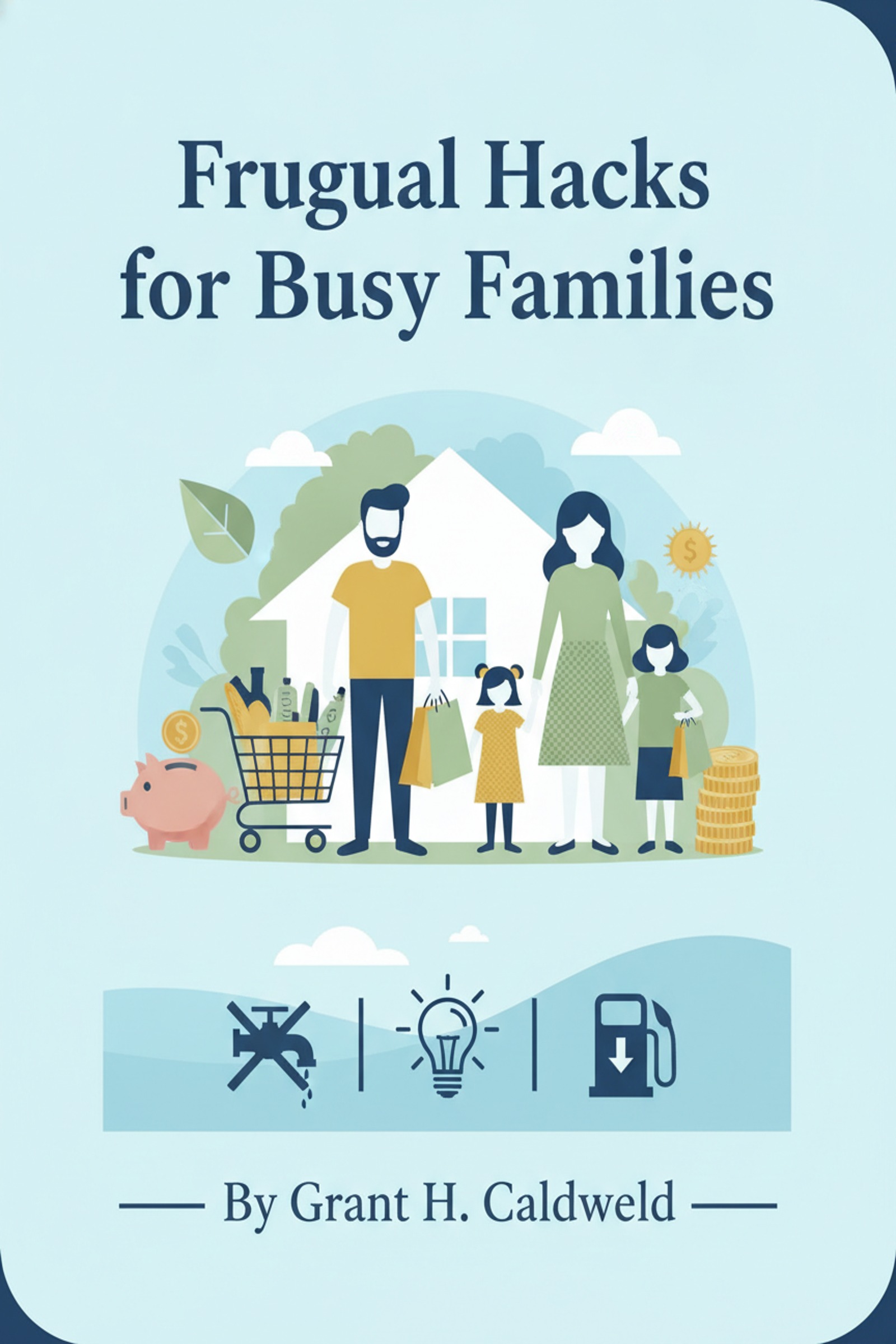
Keep going with the book
Frugal Hacks for Busy Families — 101 Practical Tips to Cut Your Grocery Bill, Stop the Everyday Leaks, and Keep More of What You Earn.
$2.99 launch price, Oct 27 – Nov 26, 2026$7.99 ebook on Google Play
Frugal Hacks for Busy Families — book page · 101 Tips series
Related reading
Frugal starts with a clear kitchen: A 15-Minute Declutter Routine That Actually Sticks clears one counter and creates the work zone this meal plan needs. For the full set of tips, see the 101 Tips series.